
What is ADL Training?
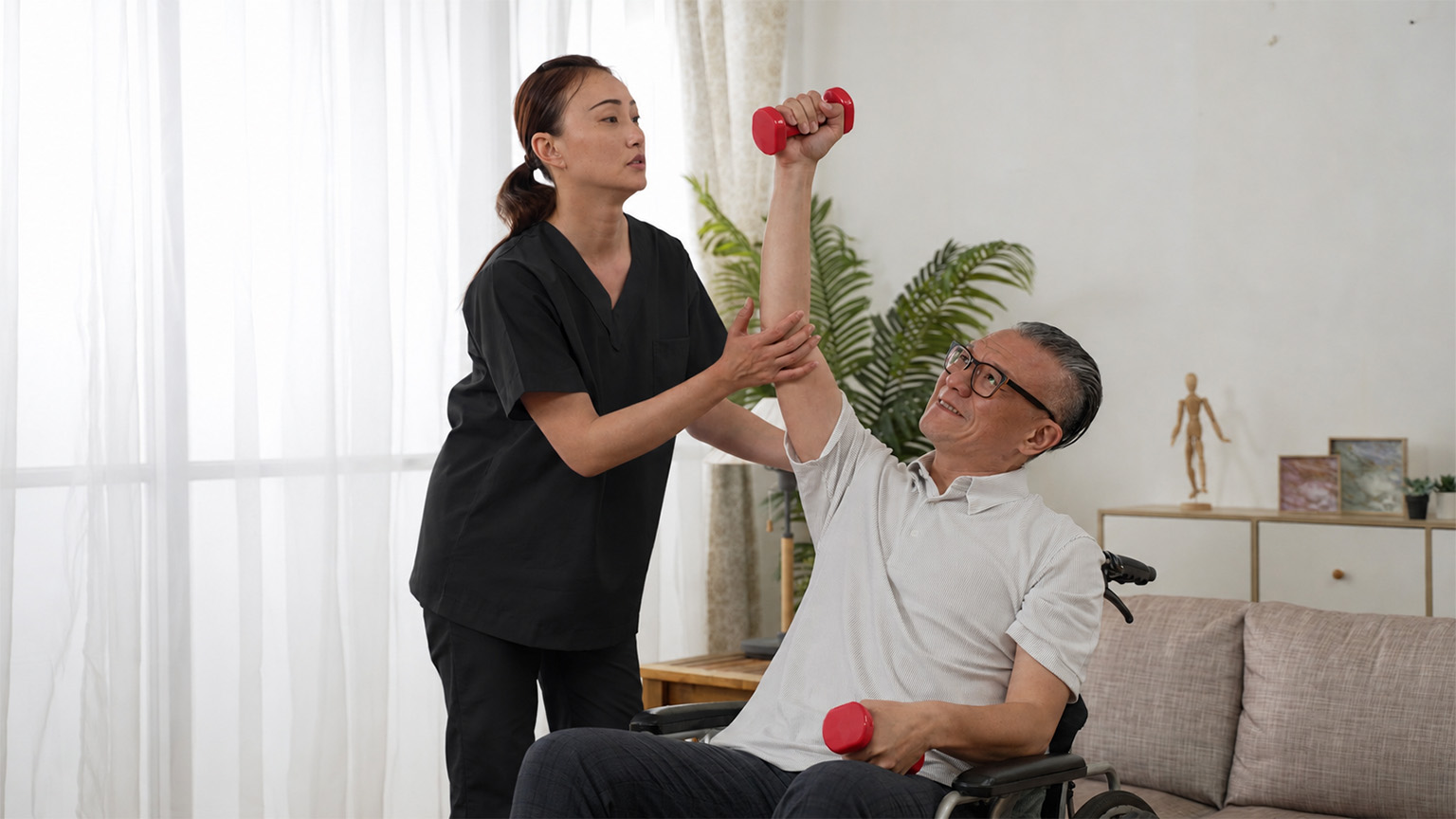
ADL Training stands for Activities of Daily Living Training. It is a type of therapy that focuses on helping individuals regain or improve their ability to perform essential everyday tasks necessary for independent living. These activities include basic self-care tasks such as bathing, dressing, grooming, toileting, eating, and mobility. ADL Training is commonly used in rehabilitation settings to support individuals recovering from injuries, surgeries, illnesses, or conditions that have impacted their ability to perform these tasks.
Key aspects of ADL Training include:

Assessment
ADL Training typically begins with an assessment of the individual’s current abilities and challenges related to activities of daily living. This assessment helps therapists identify areas of difficulty and develop personalized training programs to address specific needs.

Task-specific Training
ADL Training involves task-specific exercises and interventions designed to improve the individual’s ability to perform daily activities. Therapists may use a combination of hands-on assistance, adaptive equipment, environmental modifications, and skill-building exercises to enhance independence and functional abilities.

Progress Monitoring
Throughout the ADL Training process, therapists monitor the individual’s progress and adjust the training program as needed to promote continued improvement. Progress may be measured based on the individual’s ability to perform tasks independently, with less assistance, or more efficiently.

Functional Goals
ADL Training focuses on setting functional goals that are meaningful and relevant to the individual’s daily life. These goals may include improving dressing independence, enhancing bathing safety, increasing meal preparation skills, or optimizing mobility for community participation.

Home Environment
ADL Training often includes training in the individual’s home environment to address specific challenges and promote independence in real-life settings. Therapists may provide recommendations for home modifications, adaptive equipment, and strategies to support safe and efficient task performance.
Overall, ADL Training plays a crucial role in helping individuals regain independence, improve quality of life, and enhance overall functional abilities. By focusing on activities of daily living, therapists can support individuals in achieving greater autonomy, self-care skills, and confidence in their ability to perform essential tasks necessary for independent living.
WHY CHOOSE US?
Our ADL training helps patients regain independence and improve their quality of life after injury or illness. We focus on practical skills that allow you to return to a fulfilling and active life.
CALL US FOR MORE IMAFORMATION:305-905-4188 BOOK AN EVALUATION