
Highlights
- Physical therapy supports recovery by improving mobility, strength, flexibility, balance, and overall physical function.
- Treatment helps individuals manage injuries, recover after surgery, address chronic pain, and improve movement affected by neurological conditions.
- Personalized treatment plans may include therapeutic exercises, manual techniques, movement training, and other rehabilitation strategies.
- Working with a physical therapist helps patients regain independence, develop healthier movement patterns, and maintain long-term physical progress.
Recovering from an injury, managing a chronic condition, or regaining mobility after surgery presents challenges that affect nearly every part of daily life. Physical therapy offers a structured approach to addressing these limitations by helping individuals improve movement, rebuild strength, and develop the physical abilities needed for everyday activities.
Local physical therapy isn’t limited to people recovering from sports injuries or accidents. It can benefit individuals experiencing joint pain, neurological conditions, balance difficulties, post-surgical limitations, and many other health concerns. Treatment is tailored to each person’s needs, allowing rehabilitation to address specific symptoms, physical limitations, and recovery goals.
At SFR Physical Therapy, patients explore treatment options designed to support their recovery and improve their physical function. Understanding how physical therapy works and the conditions it addresses helps you determine when professional rehabilitation is beneficial.
How Physical Therapy Supports the Recovery Process
Physical therapy focuses on improving how the body moves and functions. Rather than addressing discomfort alone, treatment often targets underlying movement limitations, muscle weaknesses, and physical challenges that interfere with daily activities.
According to Harvard Health, more than 50 million Americans receive physical therapy annually through approximately 300 million therapeutic sessions intended to improve mobility, strength, flexibility, and physical function.
A physical therapist begins by evaluating the patient’s movement, strength, flexibility, symptoms, and physical limitations. This assessment helps guide the development of an individualized treatment plan.
Depending on the patient’s needs, treatment may involve:
- Therapeutic exercises: Targeted movements help strengthen muscles, improve flexibility, and restore mobility.
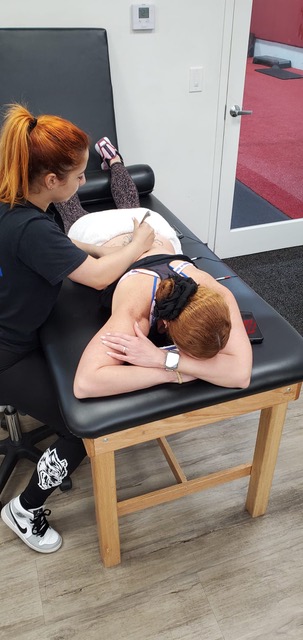
- Manual therapy: Hands-on techniques help address joint stiffness, muscle tension, and movement restrictions.
- Balance training: Specific exercises help improve stability, coordination, and confidence with movement.
- Movement education: Patients learn techniques that support healthier movement patterns and reduce unnecessary strain during everyday activities.
Progress is evaluated throughout treatment, allowing exercises and rehabilitation strategies to be adjusted as physical abilities improve.
Conditions That Benefit From Physical Therapy
Local physical therapy supports recovery from many different conditions. Because treatment is individualized, rehabilitation addresses a wide range of physical limitations rather than focusing on one specific injury or diagnosis.
Muscle and Joint Injuries
Muscle strains, ligament injuries, joint problems, and other musculoskeletal conditions can interfere with movement and cause persistent discomfort. Physical therapy helps address these limitations through targeted strengthening, flexibility exercises, and movement training.
For example, someone recovering from a knee injury may need to rebuild leg strength and improve joint mobility before returning to regular activities. A patient experiencing shoulder pain may benefit from exercises that improve shoulder movement and strengthen supporting muscles.
Treatment can also help individuals recognize movement patterns that contribute to discomfort and learn ways to perform activities with better mechanics.
Recovery After Surgery
Surgical procedures involving joints, muscles, or other parts of the body may temporarily affect strength, flexibility, and mobility. Rehabilitation helps patients gradually regain physical function while following the recovery recommendations provided by their medical providers.
Physical therapy after surgery may focus on:
- Restoring movement in the affected area.
- Rebuilding strength in weakened muscles.
- Improving balance and coordination.
- Practicing movements needed for everyday activities.
- Gradually returning to appropriate physical activities.
The exercises and pace of rehabilitation depend on the procedure, the patient’s condition, and their recovery progress.
Chronic Pain and Mobility Limitations
Living with ongoing pain makes physical activity difficult. Individuals experiencing back pain, neck pain, arthritis-related discomfort, or other chronic conditions may begin avoiding movements that aggravate their symptoms.
However, prolonged inactivity can contribute to additional weakness and reduced mobility. Physical therapy introduces appropriate exercises and movement strategies that help patients maintain physical function while managing their symptoms.
Neurological and Balance Conditions
Certain neurological conditions can affect coordination, muscle control, balance, and the ability to walk independently. These challenges may increase the difficulty of completing routine activities. Physical therapy can address these limitations through balance exercises, gait training, coordination activities, and functional movement practice.
For individuals who experience unsteadiness or difficulty walking, rehabilitation focuses on improving stability and developing safer movement techniques. Treatment is adapted to each person’s abilities and specific challenges.
The Long-Term Benefits of Consistent Physical Therapy
Physical therapy provides benefits that extend beyond the initial recovery period. Developing strength, flexibility, coordination, and healthier movement habits help individuals maintain their physical abilities and participate more confidently in everyday activities.
Some important long-term benefits include:
- Greater independence: Improving functional movement makes routine activities easier to complete without assistance.
- Improved physical confidence: Developing better balance and mobility helps individuals feel more comfortable participating in daily activities.
- Better movement habits: Learning appropriate techniques helps reduce unnecessary strain during lifting, walking, and other movements.
- Maintained strength and flexibility: Continuing appropriate exercises helps patients preserve the progress they make during rehabilitation.
Consistency is an important part of physical therapy. Patients may need to complete prescribed exercises outside their appointments to support their progress. Following the treatment plan and communicating changes in symptoms also helps the physical therapist adjust rehabilitation as needed.
Finding the Right Physical Therapy Approach
Choosing an appropriate rehabilitation program involves considering your condition, physical abilities, and recovery goals. Some individuals need help in returning to normal activities after an injury, while others require ongoing support for chronic conditions or mobility limitations.
Local physical therapy sessions allow patients to access rehabilitation services in their community and work with professionals who evaluate their individual needs.
When considering treatment, think about the following:
- Your specific concerns: Identify the movements, activities, or symptoms that are affecting your daily life.
- Your recovery goals: Consider what you want to accomplish, whether that involves walking comfortably, improving strength, or returning to recreational activities.
- Your treatment plan: Ask how rehabilitation will address your limitations and what exercises are involved.
- Your progress: Discuss changes in your symptoms and physical abilities so your treatment can be adjusted when appropriate.
At SFR Physical Therapy, patients can discuss their physical concerns and explore rehabilitation options that align with their needs. A personalized approach can help make treatment more relevant to the challenges each individual experiences.
Take the Next Step Toward Better Mobility and Recovery
Whether you’re recovering from an injury, managing ongoing discomfort, or working to regain mobility after surgery, local physical therapy sessions provide valuable support. Personalized rehabilitation focuses on addressing your physical limitations, rebuilding strength, and helping you return to the activities that matter to you.
If you’re ready to work toward better movement and physical function, contact SFR Physical Therapy to discuss your needs and learn more about available treatment options.
Frequently Asked Questions
The recommended frequency depends on your condition, treatment goals, and recovery progress. Your physical therapist develops a schedule based on your individual needs and adjusts it as your mobility and strength improve.
Your physical therapist will evaluate your symptoms, mobility, strength, and physical limitations. Based on this assessment, they develop a treatment plan that includes therapeutic exercises, manual techniques, and movement training.
Our local physical therapy sessions address a variety of conditions, including muscle and joint injuries, chronic pain, post-surgical limitations, balance difficulties, and mobility challenges. Treatment recommendations depend on each patient’s individual needs.