What is Vestibular Therapy?
Vestibular therapy, also known as vestibular rehabilitation, is a specialized form of physical therapy that focuses on the assessment and treatment of vestibular disorders and balance problems related to the inner ear and vestibular system. The vestibular system is responsible for maintaining balance, spatial orientation, and eye movements. Vestibular therapy aims to improve symptoms such as dizziness, vertigo, imbalance, and visual disturbances by targeting the underlying causes of vestibular dysfunction.
Key aspects of vestibular therapy include:

Assessment
Vestibular therapists conduct a thorough assessment to evaluate the individual’s vestibular function, balance, gait, eye movements, and symptoms related to dizziness or vertigo. This assessment helps identify specific deficits and determine the most appropriate treatment approach.
Canalith Repositioning Maneuvers
Vestibular therapy may include canalith repositioning maneuvers, such as the Epley maneuver or Semont maneuver, to treat benign paroxysmal positional vertigo (BPPV). These maneuvers involve specific head and body movements to reposition displaced calcium crystals in the inner ear, alleviating symptoms of vertigo and dizziness.

Habituation Exercises
Vestibular therapy often includes habituation exercises designed to desensitize the vestibular system to motion or positional changes that trigger dizziness or vertigo. These exercises involve gradual exposure to movements or positions that provoke symptoms to help the brain adapt and reduce sensitivity over time.

Gaze Stabilization Exercises
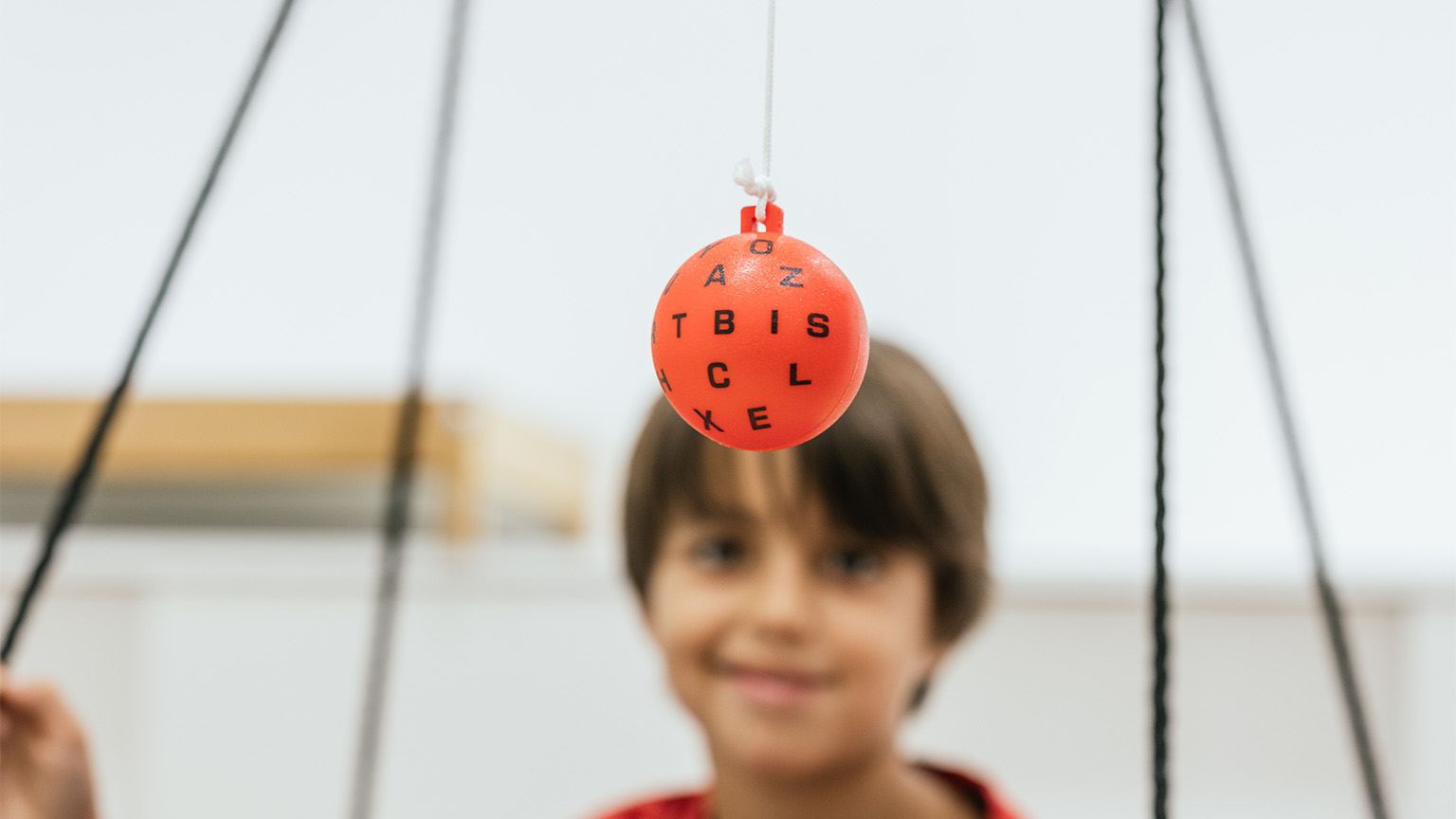
Vestibular therapy may incorporate gaze stabilization exercises to improve eye movements and visual stability during head movements. These exercises help individuals maintain focus and reduce symptoms of dizziness or visual disturbances related to vestibular dysfunction.

Balance Training
Vestibular therapy includes balance training exercises to improve postural control, stability, and coordination. Therapists use a variety of techniques, such as standing exercises, weight shifting, and dynamic balance tasks, to enhance balance and reduce the risk of falls in individuals with vestibular disorders.

Home Exercise Program
Vestibular therapists often provide individuals with a customized home exercise program to continue their rehabilitation outside of therapy sessions. These exercises are designed to reinforce progress, maintain gains, and promote long-term improvements in vestibular function and balance.
Overall, vestibular therapy is a valuable rehabilitation approach for individuals with vestibular disorders, balance problems, and dizziness. By addressing the underlying causes of vestibular dysfunction and implementing targeted interventions, vestibular therapists help individuals improve symptoms, enhance balance and stability, and regain confidence in their ability to move and function effectively.
Benign Paroxysmal Positional Vertigo (BPPV)
BPPV is a common vestibular disorder characterized by brief episodes of vertigo triggered by changes in head position. Vestibular therapy, including canalith repositioning maneuvers such as the Epley maneuver, is highly effective in treating BPPV by repositioning displaced calcium crystals in the inner ear and alleviating symptoms of vertigo and dizziness.
Vestibular Neuritis
Vestibular neuritis is inflammation of the vestibular nerve, leading to symptoms such as severe vertigo, imbalance, and nausea. Vestibular therapy can help individuals with vestibular neuritis improve their balance, reduce dizziness, and regain functional abilities through exercises targeting vestibular compensation and adaptation.

Meniere’s Disease
Meniere’s disease is a chronic vestibular disorder characterized by episodes of vertigo, fluctuating hearing loss, tinnitus, and ear fullness. Vestibular therapy can help individuals with Meniere’s disease manage symptoms, improve balance, and reduce the impact of vertigo attacks on daily life through exercises targeting vestibular function and adaptation.
Vestibular Migraines
A type of migraine headache that can cause symptoms of vertigo, dizziness, and imbalance in addition to typical migraine symptoms such as headache, nausea, and sensitivity to light and sound. Vestibular therapy can be beneficial for individuals with vestibular migraines by addressing the vestibular component of their symptoms and helping to improve balance, reduce dizziness, and enhance overall vestibular function.
Vestibular Hypofunction
Vestibular hypofunction refers to reduced or impaired function of the vestibular system, leading to symptoms such as dizziness, imbalance, and visual disturbances. Vestibular therapy aims to improve vestibular compensation, enhance balance, and reduce symptoms in individuals with vestibular hypofunction through exercises targeting gaze stabilization, habituation, and balance training.

Post-concussion Syndrome
Individuals who have experienced a concussion may develop vestibular symptoms such as dizziness, vertigo, and balance problems. Vestibular therapy can help individuals with post-concussion syndrome recover from vestibular dysfunction, improve balance, and reduce symptoms through targeted rehabilitation interventions.

Age-related Balance Problems
Older adults may experience age-related changes in the vestibular system, leading to balance problems, dizziness, and an increased risk of falls. Vestibular therapy can help older adults improve balance, stability, and confidence in movement through exercises targeting vestibular function, gaze stabilization, and balance training.
WHY CHOOSE US?
If you’re dealing with dizziness, vertigo, or balance issues, our vestibular therapy program is designed to provide targeted treatment to alleviate symptoms and improve your stability. We offer individualized plans tailored to your specific needs, helping you regain confidence in your balance.
CALL US FOR MORE IMAFORMATION:305-905-4188 BOOK AN EVALUATION